
The Psychology of Food Photography: How Colors and Composition Influence Appetite
Food photography is not just about showcasing delectable dishes; it’s also about creating an emotional connection with viewers and stimulating their appetite. Beyond the sensory appeal of taste and smell, the visual aspect of food plays a crucial role in influencing our cravings and desire to indulge. In this blog post, we will delve into the fascinating world of the psychology of food photography, exploring how colors and composition can profoundly impact viewers’ appetites and evoke powerful emotional responses.
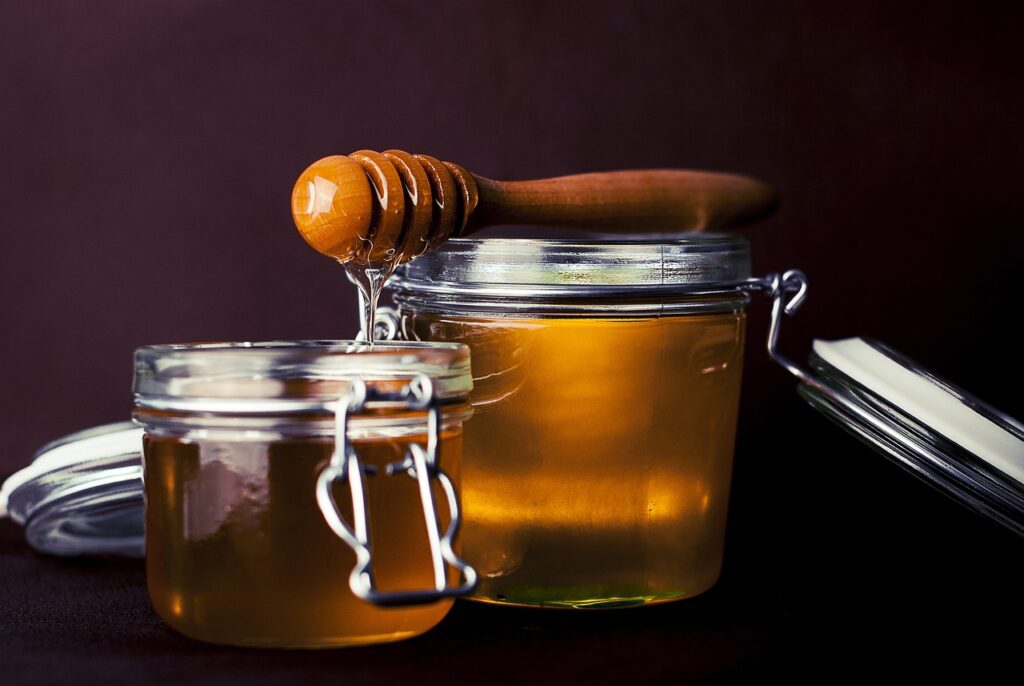
- The Power of Colors
Colors evoke emotions and can significantly influence our perceptions of taste and food. Different colors can evoke specific feelings and associations, affecting how we perceive the flavor and desirability of a dish.
- Red: Known to increase appetite, red is often associated with passion, energy, and excitement. It can stimulate the desire for rich, indulgent foods.
- Yellow: Associated with happiness and warmth, yellow can make food appear more inviting and appetizing. It is often used to represent comfort and home-cooked meals.
- Green: Linked to freshness and health, green is commonly used in food photography to promote salads, vegetables, and other wholesome dishes.
- Brown: Symbolizing comfort and earthiness, brown is frequently used for baked goods and hearty dishes.
- White: Often associated with purity and simplicity, white backgrounds can make the colors of the food pop and create a clean, fresh look.
- Composition and Food Styling
The way a dish is arranged and styled in food photography can significantly impact its appeal and desirability. Proper composition can make a dish look more appetizing and mouthwatering.
- Rule of Thirds: Placing the main subject off-center in the frame, following the rule of thirds, can create a sense of balance and make the dish more captivating to the eye.
- Textures and Layers: Capturing the different textures and layers of a dish can make it more visually interesting and tempting.
The Golden Ratio: Using the golden ratio in composition can create a harmonious and aesthetically pleasing image, drawing the viewer’s attention to the most appealing aspects of the dish.
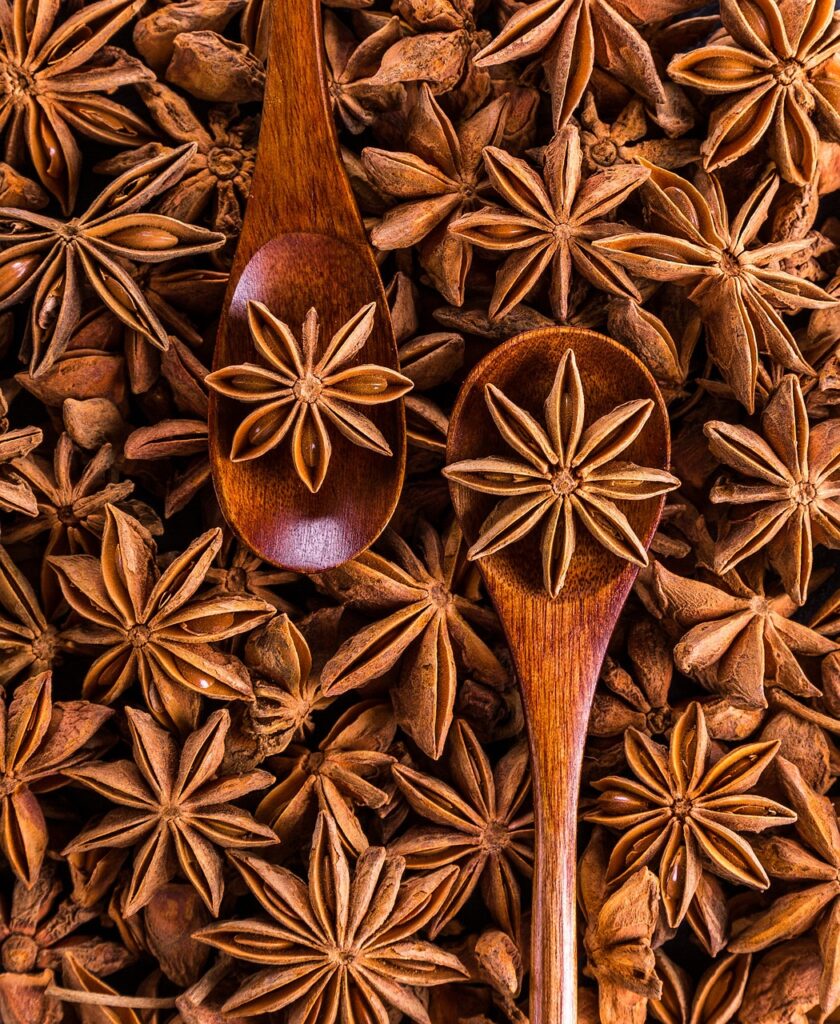
- Context and Storytelling
Food photography is not just about the dish itself; it’s also about the story it tells. Incorporating elements that create context and convey a narrative can enhance the viewer’s emotional connection to the food.
- Incorporating People: Including human hands or people interacting with the food can evoke a sense of shared experiences and make the viewer imagine themselves enjoying the meal.
- Background and Props: Thoughtfully chosen backgrounds and complementary props can set the scene and create a mood that complements the dish’s theme.
- Minimalism and Focus
Sometimes, less is more. Simple and minimalist compositions can draw attention to the essential elements of the dish, making it appear more elegant and refined.
The psychology of food photography delves into the fascinating ways in which colors, composition, and storytelling can influence our appetites and emotional responses to food images. By understanding and implementing these psychological aspects, food photographers can create visually captivating images that not only showcase delicious dishes but also evoke a powerful desire to indulge and savor the culinary experience. Whether you’re a food enthusiast, a food blogger, or a professional photographer, harnessing the psychology of food photography can take your culinary visuals to a whole new level and leave viewers craving for more.