
Essential Tips for Stunning Food Photography
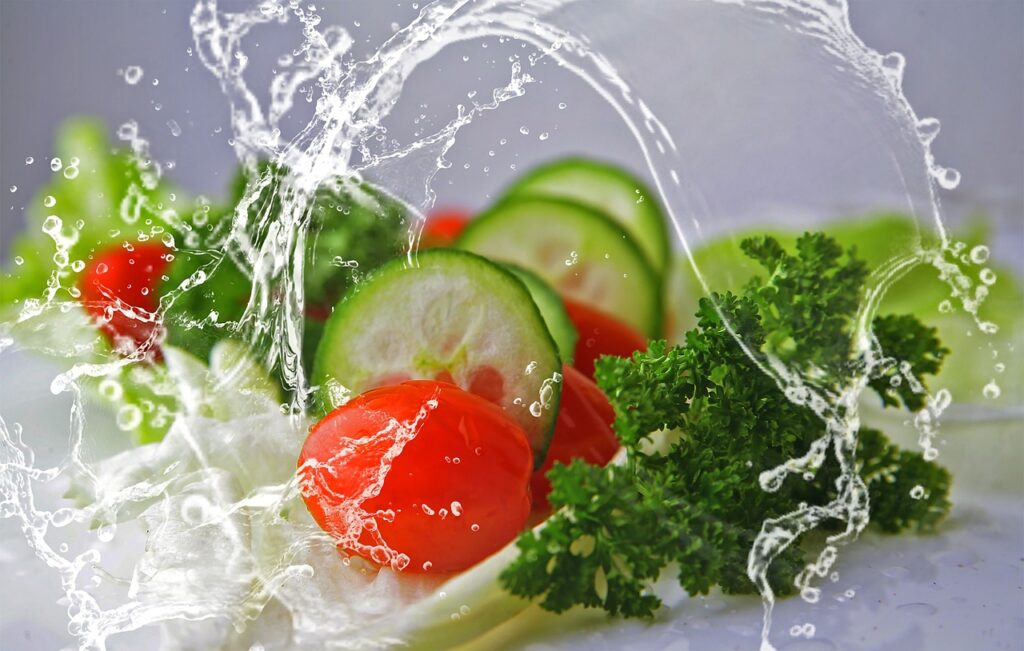
Food photography is a delightful and rewarding art form that allows you to capture the essence of culinary creations and evoke the viewer’s appetite through visual storytelling. Whether you’re a food enthusiast, a budding food blogger, or an aspiring professional photographer, mastering the art of food photography can take your images to new heights. In this blog post, we’ll share ten essential tips and tricks to help you improve your food photography skills and create captivating, mouthwatering images that leave a lasting impression on your audience.
1. Master Lighting: Lighting is the cornerstone of photography, and it plays a crucial role in food photography as well. Natural light is often the best option for capturing mouthwatering food images. Shoot near a window or outdoors during the day to harness soft, diffused light that brings out the colors and textures of your dishes. Also try avoiding direct sunlight on the food, the direct sunlight will create high contrast images. In this case a large white diffuser will solve the problem. Use of artificial lighting in food photography is a complete section of its own. For more details on how the artificial lighting can be used in food photography, there will be a separate blog. stay tuned!
2. Understand Composition: Compose your shots thoughtfully to create visually engaging images. Experiment with the rule of thirds, leading lines, and negative space to add balance and interest to your photographs. A well-composed image can draw the viewer’s eye to the main subject and tell a compelling visual story.
3. Use Props and Backgrounds: Props and backgrounds can elevate the overall presentation of your dishes. Select complementary props that enhance the theme of the food and choose backgrounds that add depth and context to the image. Simplicity often works well, but don’t be afraid to experiment with various elements to find the right balance.
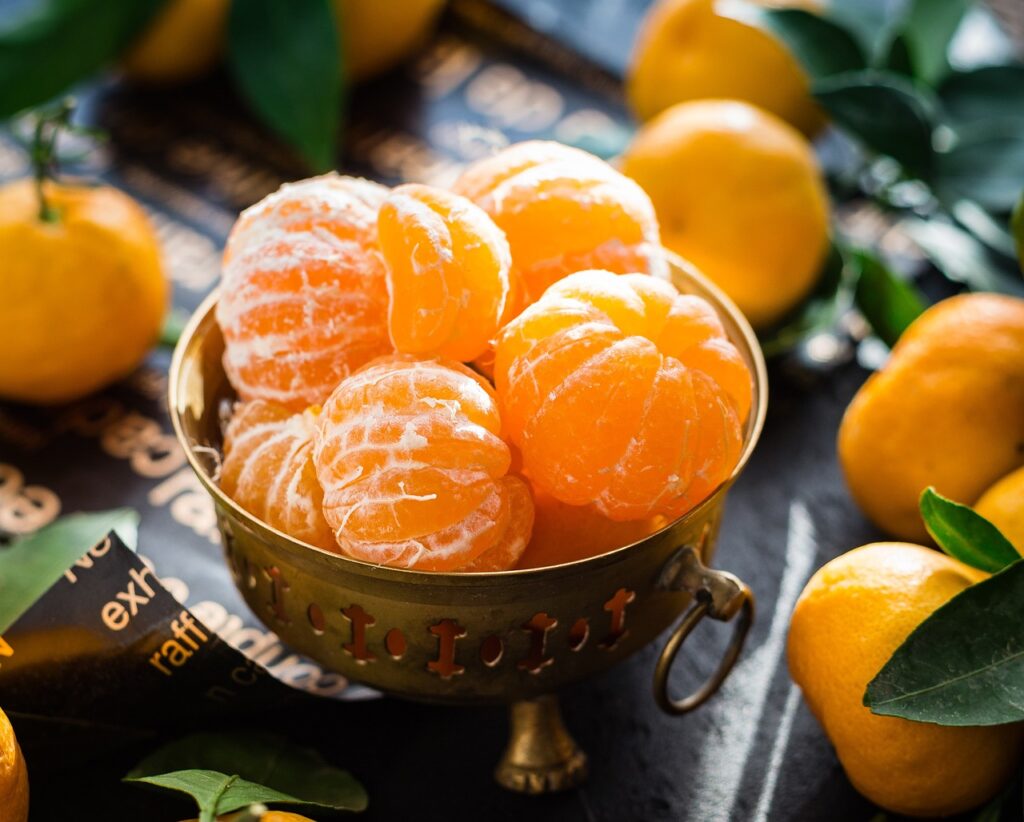
4. Mind the Depth of Field: Controlling the depth of field in your photos can add an artistic touch to your food images. Use a wide aperture (low f-stop number) to create a shallow depth of field, blurring the background and drawing attention to the main subject. This technique can make the food pop and create a sense of depth in the image.
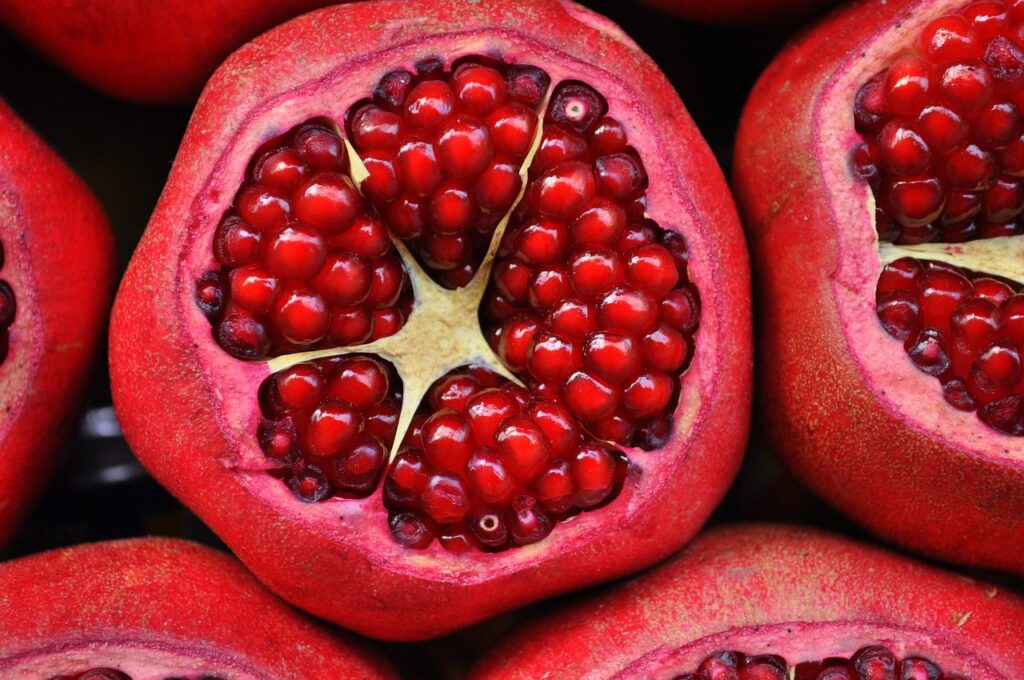
5. Capture the Details: Food is all about textures and details. Use macro mode or get up close to capture the intricate elements of your dishes, such as the glistening sauce, flaky crust, or the fine grains of seasoning. Detail shots can be enticing and provide a unique perspective on the culinary experience.
6. Embrace Natural and Realistic Presentation: While food styling is essential, avoid making the dishes look overly artificial or unrealistic. Embrace the natural beauty of the food and focus on making it look appetizing and relatable. Freshness and authenticity in the presentation can resonate more with viewers.
7. Mindful Editing: Post-processing can enhance your images, but avoid going overboard with editing. Use editing software to fine-tune exposure, color balance, and sharpness. Aim for a natural look that accurately represents the colors and textures of the food.
8. Timing is Key: For hot dishes, be prepared to shoot quickly after plating to capture steam and freshness. For cold dishes, make sure they are well-chilled to maintain their visual appeal during the shoot. Plan your photography session to coincide with the peak appearance of the dish.
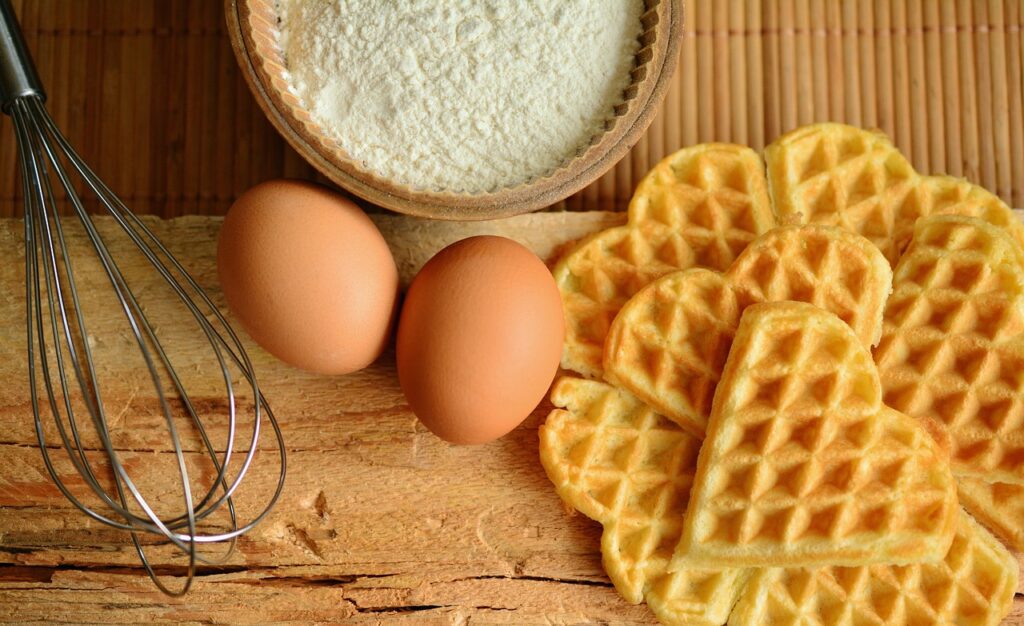
9. Explore Different Angles: Don’t limit yourself to shooting from one angle. Experiment with different perspectives, such as overhead shots, 45-degree angles, or eye-level views. Each angle can provide a distinct and captivating portrayal of the food.
10. Practice, Experiment, and Enjoy: Improving your food photography skills requires practice and experimentation. Don’t be afraid to try new techniques, explore different lighting setups, and play with various props and compositions. Embrace the learning process and enjoy the creative journey as you capture stunning images of culinary delights.
With these ten essential tips and tricks, you’re well on your way to mastering the art of food photography. Remember that food photography is as much about passion and creativity as it is about technical know-how. Stay curious, keep exploring, and let your love for both food and photography guide you in creating captivating images that evoke emotions and inspire others to appreciate the beauty of culinary delights. Happy shooting and bon appétit!