
The Art of Research Photography: Capturing the Beauty of Science
Science is often associated with data, numbers, and complex theories. However, behind the equations and formulas lies a world of stunning beauty that can captivate the imagination. Research photography is the art of capturing this beauty and presenting science in a visually appealing manner. Through the lens of a camera, the wonders of the scientific world come to life, making complex concepts more accessible and engaging for all audiences. In this blog post, we will explore the importance of visualization in advanced science and provide some essential tips for taking pictures in research labs.
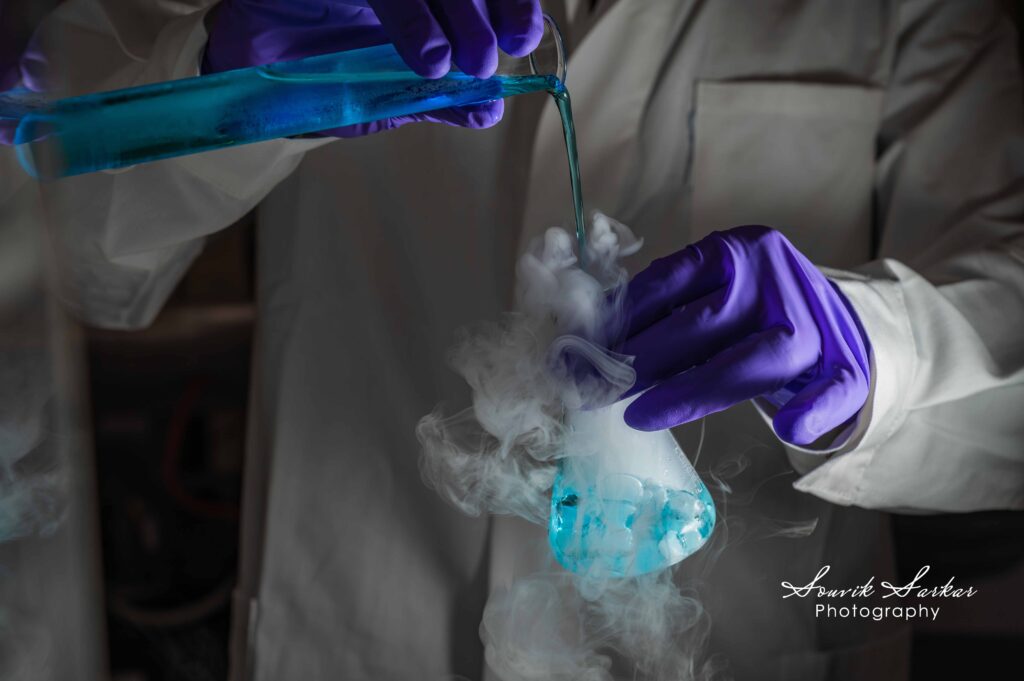
The Power of Visualization for Young Minds
Young minds are naturally curious and eager to explore the world around them. However, scientific concepts can sometimes seem distant and hard to grasp. This is where research photography becomes a powerful tool. Visual representation of scientific ideas can help bridge the gap between complex theories and the young audience’s understanding.
Inspiration and Imagination: Research photography can spark curiosity and imagination in young minds. A beautifully captured image of a nebula or a microscopic organism can ignite a child’s interest in astronomy or biology, laying the foundation for a future in scientific exploration.
Simplifying Complex Concepts: Visuals simplify complex ideas by breaking them down into easily digestible parts. A well-crafted image can convey a scientific concept more effectively than paragraphs of text, making it easier for young minds to comprehend.
Emotional Connection: Research photography evokes emotions and a sense of wonder. When young minds connect emotionally with scientific images, they are more likely to remember and engage with the subject matter. Fostering a Love for Science: By presenting science in an artistic and accessible manner, research photography can cultivate a love for science and encourage young minds to pursue careers in scientific fields.
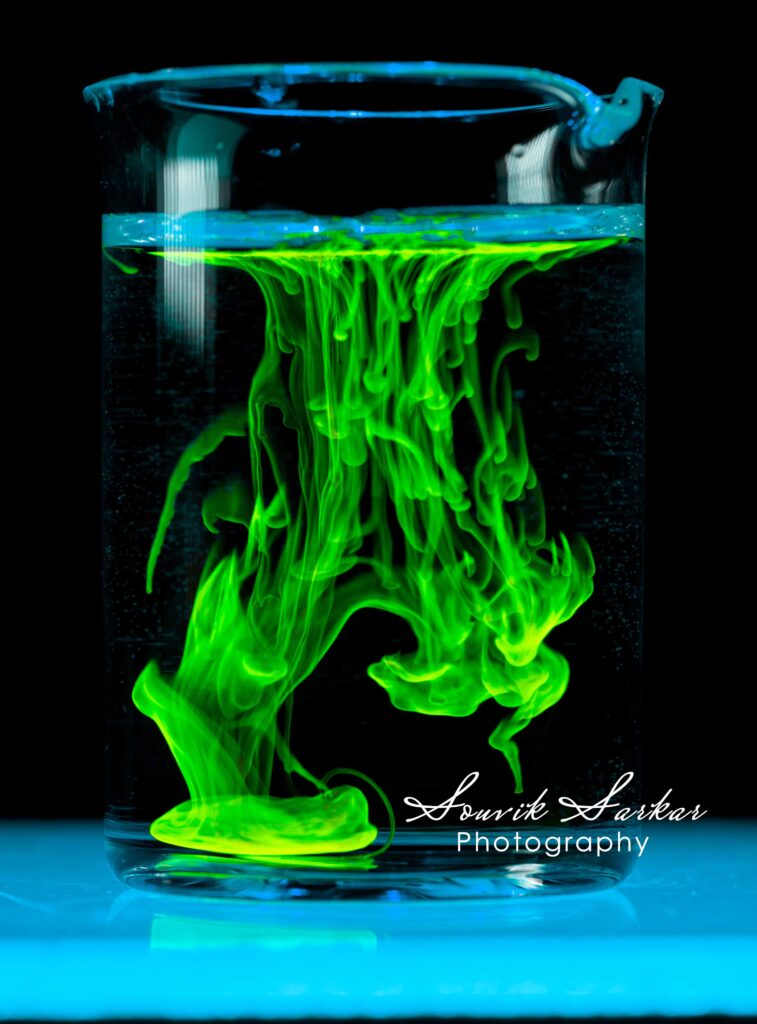
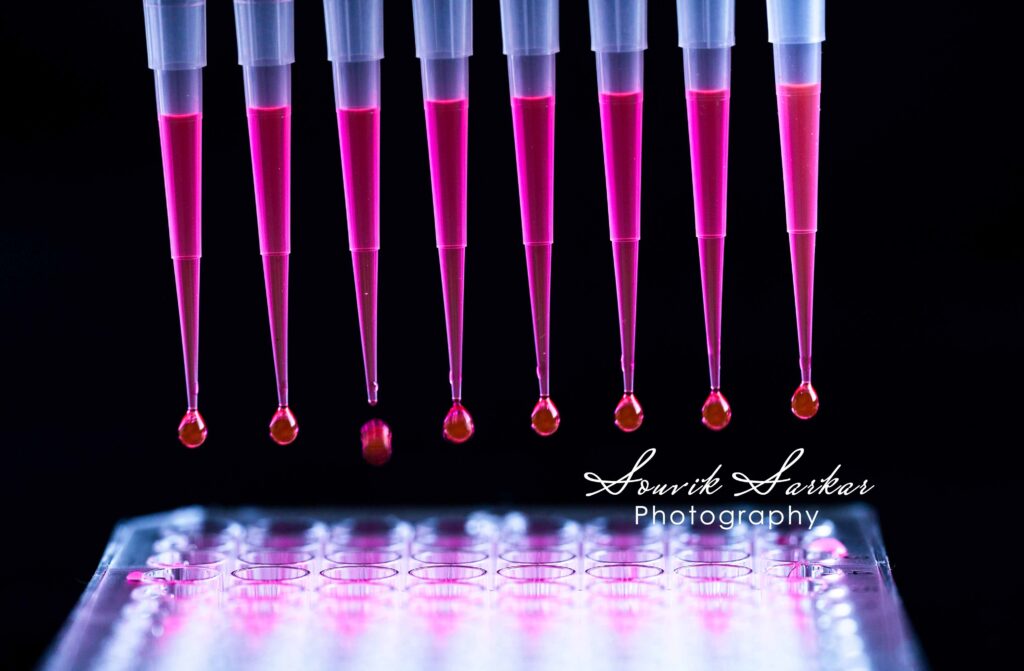
Tips for Taking Pictures in Research Labs
Photographing in a research lab comes with its own set of challenges and considerations. Here are some essential tips to ensure you capture meaningful and impactful images:
- Safety First: Prioritize safety in the lab. Familiarize yourself with lab protocols, wear appropriate personal protective equipment, and always follow the guidelines set by the lab supervisor.
- Seek Consent: Obtain permission from the researchers and participants before taking any photographs. Some experiments or research subjects may require anonymity or have privacy concerns.
- Understanding the Research: Comprehend the research being conducted to identify the most visually interesting aspects. Work closely with researchers to grasp the significance of their work, allowing you to capture the essence of the project.
- Lighting and Composition: Pay attention to lighting and composition to create visually striking images. Use natural light whenever possible, and consider the rule of thirds to compose your shots effectively.
- Macro Photography: Utilize macro photography to capture intricate details of specimens or equipment. Macro shots can reveal the beauty in the smallest elements of scientific research.
- Experimentation and Patience: Photography in a research lab may require patience. Experiment with different angles and settings to find the most compelling shots that convey the essence of the research.
- Post-Processing: Post-processing can enhance the impact of your images. Use editing software to adjust brightness, contrast, and color balance while maintaining the integrity of the scientific subject.
In conclusion, research photography is an art that holds the power to inspire, educate, and engage young minds with the wonders of science. By visualizing advanced scientific concepts, we can cultivate a passion for exploration and discovery in the scientists of tomorrow. When taking pictures in research labs, adhere to safety guidelines, seek consent, understand the research, and employ artistic techniques to capture the essence of scientific beauty. As the saying goes, “A picture is worth a thousand words,” and research photography has the potential to unlock the door to the captivating world of science for generations to come.