
Enhancing Creativity: Exploring AI's Role in Photo Editing and Post-Processing
In the digital age of photography, post-processing and photo editing have become integral parts of the creative process. As technology advances, Artificial Intelligence (AI) is revolutionizing the way we edit and enhance our images, unlocking new dimensions of creativity for photographers. In this blog post, we will explore the technical details of AI’s role in photo editing, discuss its future potential, and conclude with the profound impact it has on unleashing our creative visions.
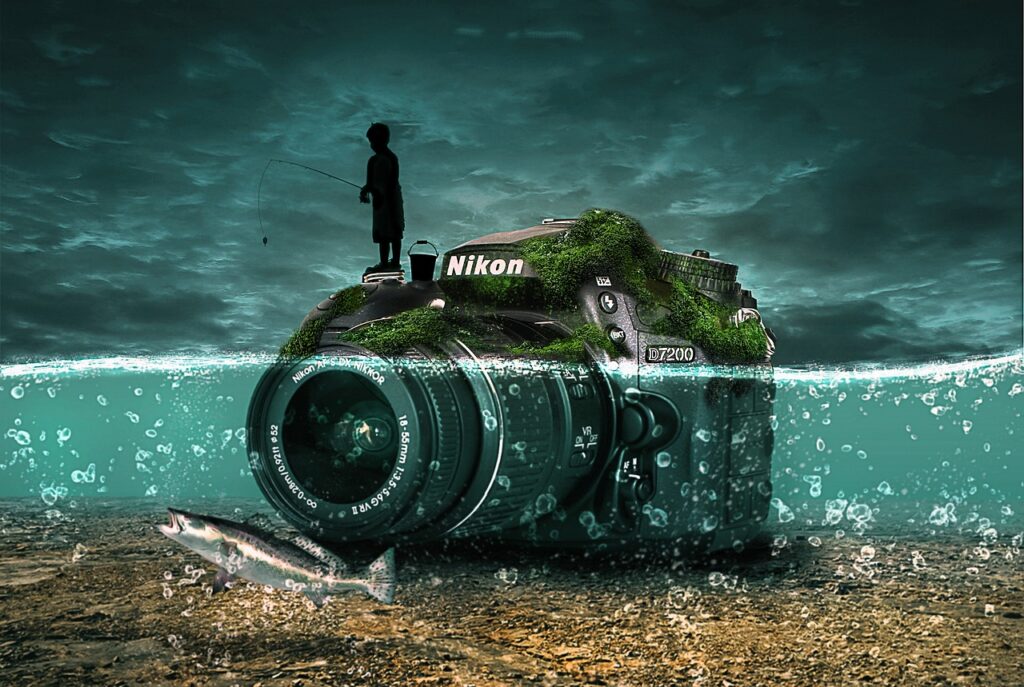
Technical Details of AI in Photo Editing and Post-Processing:
- Image Enhancement: AI algorithms can analyze images and automatically enhance various aspects like brightness, contrast, and color balance. This feature saves time for photographers, ensuring that their images look more appealing without tedious manual adjustments. There are many emerging AI softwares, amon them Topazlab is one of the leading platform in this field.
- Automatic Retouching: AI-powered retouching tools can seamlessly remove blemishes, reduce wrinkles, and improve skin tones in portraits. This capability streamlines the retouching process and delivers more polished and professional-looking results. Now a days all the professional image editing softwares are coming with presets that can do the automatinc retouching like Luminar Neo, Photoworks, Vance AI and Adobe Lightroom.
- Object and Background Removal: With AI, unwanted objects or distracting backgrounds can be automatically detected and removed from images, making it easier to isolate subjects and focus on the main elements of the composition. Photoworks, Vance AI like softwares effortlessly does the amazing job.
- Style Transfer: AI can analyze the unique characteristics of various artistic styles and apply them to images, transforming photos into digital artworks with the aesthetics of famous painters or photographers.
- Noise Reduction and Super Resolution: AI-driven noise reduction algorithms can effectively reduce noise while preserving image details, resulting in cleaner, high-quality images. Additionally, AI can upscale low-resolution images through super-resolution techniques, yielding sharper and more detailed results. There are plenty of softwares available in the market to enhance the resolution and reduce the noice. In my opinion, the best softwares are Topazlabs, Adobe Express, AVClabs.
- Creative Filters and Effects: AI allows for the generation of unique and artistic filters, transforming photographs into visually striking masterpieces with creative effects not achievable through traditional editing tools. All available professional softwares mentioned before have the facility to save some presets and apply them on batch processing.
Future Aspects of AI in Photo Editing and Post-Processing:
- Intelligent Editing Assistants: AI-powered photo editing assistants will learn from photographers’ editing preferences and automatically suggest adjustments based on their individual styles, streamlining the editing process and enhancing productivity.
- Advanced Content-Aware Editing: Future AI technologies will further improve content-aware editing, enabling more accurate and seamless object removal, background replacement, and image manipulations.
- Preserving Authenticity: As AI becomes more sophisticated, it will also be used to detect and prevent image manipulation and deepfakes, ensuring the integrity and authenticity of photographs in the digital realm.
- Customizable Artistic Filters: AI-driven photo editing tools will allow photographers to create and customize their artistic filters, giving them even more control over the final look and feel of their images.

The advent of AI in photo editing and post-processing is revolutionizing the creative landscape of photography. With its ability to automate repetitive tasks, enhance image quality, and apply artistic effects, AI empowers photographers to focus more on their creative vision and storytelling. By streamlining the editing process, AI frees up valuable time for photographers to explore new techniques and push the boundaries of their craft.
Looking ahead, the future of AI in photo editing holds exciting prospects. As the technology continues to evolve, we can expect even more intelligent editing assistants, advanced content-aware tools, and customizable artistic filters that cater to individual preferences and styles.
However, as we embrace the power of AI, it is essential to strike a balance between automation and artistic expression. While AI can enhance creativity and efficiency, the photographer’s vision and creativity remain at the core of every compelling photograph.
In conclusion, AI’s role in photo editing and post-processing is not about replacing photographers but empowering them with tools that enhance their creative capabilities. The integration of AI in photography opens up new frontiers of artistic exploration, enabling photographers to bring their unique visions to life and share their stories with the world in breathtaking ways. Embrace the possibilities of AI, and let your creativity soar to new heights. Happy editing!